Horqin Substation plays a critical role as a regional power grid hub, with equipment operating under high loads for extended periods. Traditional inspection methods (infrared thermography, temperature sensors, manual patrols) can identify well‑developed faults such as overtemperature or visible discharges. However, they struggle to detect early‑stage mechanical anomalies or incipient partial discharges – often before any thermal signature appears.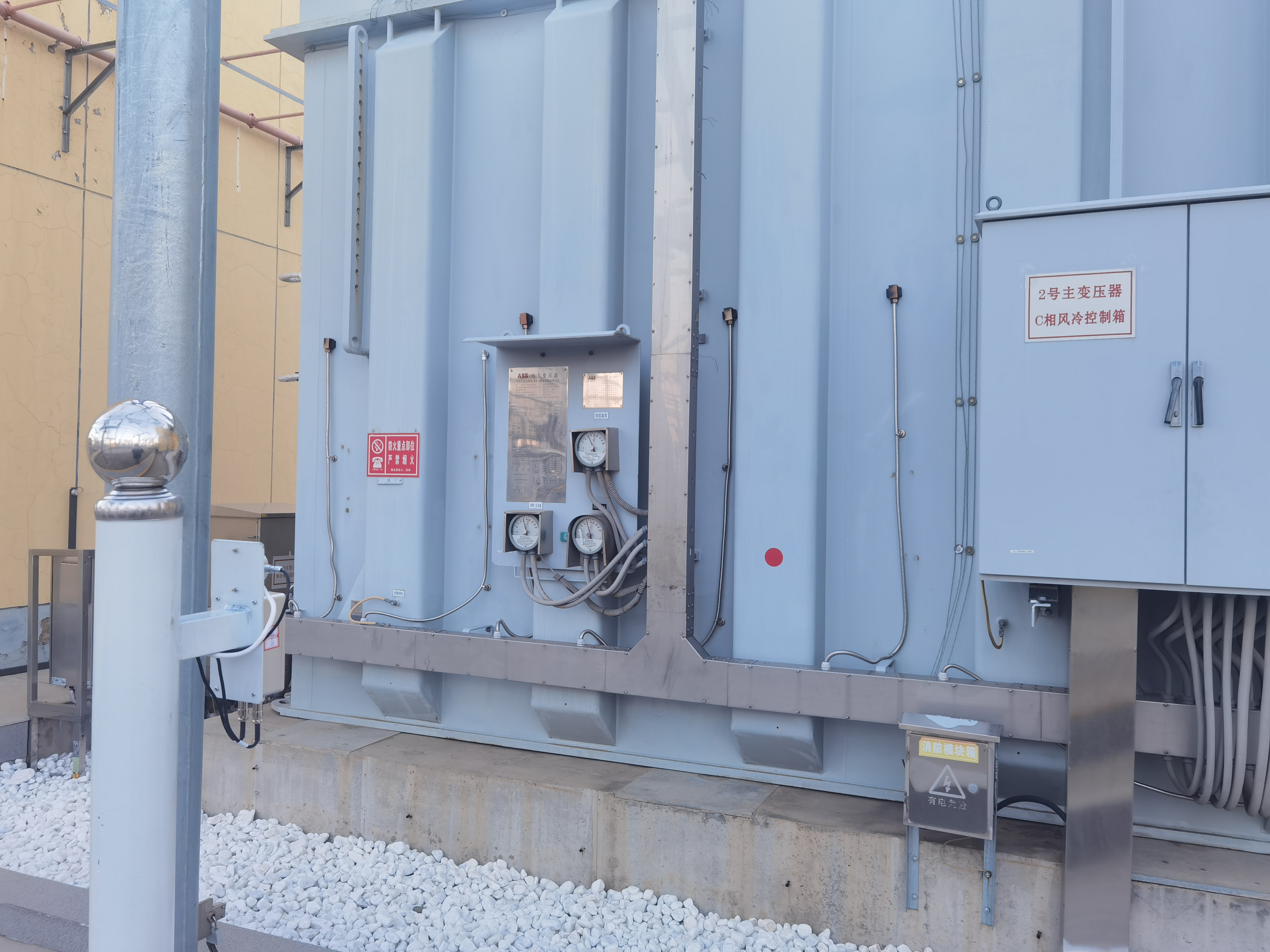
To shift the fault detection window earlier – from “visible” to “audible” – the substation team began exploring new acoustic monitoring technologies.
The substation environment is extremely noisy, presenting several pain points:
High background noise – Fan operation, electromagnetic interference, wind, and other ambient sounds mask the weak acoustic signatures of early faults, causing high false‑alarm rates for conventional acoustic devices.
Diverse fault types – More than ten typical failure modes exist, including bushing discharge, core ground faults, mechanical sticking of tap changers, surface creeping on insulators, and abnormal bearing noise in coolers. Relying on human listening is subjective and inconsistent.
Limitations of infrared & temperature sensors – Infrared detects only temperature rise that has already occurred; temperature sensors respond with a delay. For early signs such as minor mechanical looseness or faint discharges, they are almost insensitive.
Here is the installation noise environment situation.
The FA‑110 acoustic monitoring system was deployed on key equipment (main transformer, shunt reactor, circuit breakers, bushings, etc.) at Horqin Substation. With an edge‑AI inference unit, the system delivers:
Omnidirectional microphone array – Captures high‑frequency and low‑level acoustic signatures beyond human hearing.
Deep learning acoustic signature library – Embedded with models for over 10 typical fault types (discharge, mechanical impact, bubbling from local overheating, etc.).
Intelligent noise reduction & false‑alarm suppression – Adaptive background noise cancellation isolates the fault signature from ambient noise, triggering alarms only for genuine faults.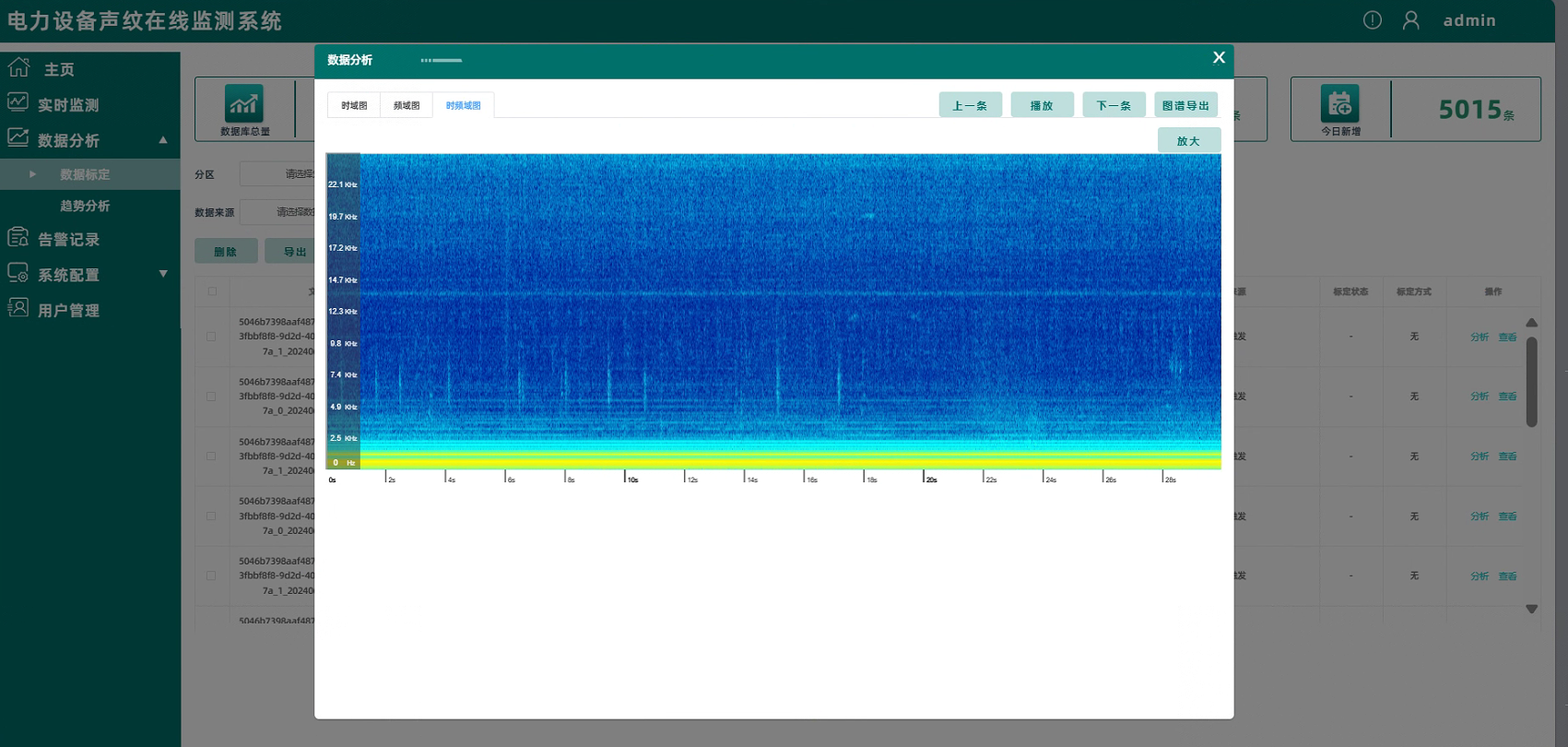
4.1 Broad fault type recognition
Since commissioning, the system has identified 12 distinct types of suspected fault signatures, including:
Minor discharge from a loose grading ring on a bushing (no thermal difference on infrared).
Abnormal metallic impact during on‑load tap changer operation.
Early bearing wear in a cooling fan (temperature sensors remained normal).
4.2 Effective false‑alarm reduction
During three consecutive months of comparative testing, the FA‑110 achieved an effective alarm accuracy above 92% – reducing false alarms by more than 80% compared to conventional sound‑pressure triggered systems. Maintenance personnel are no longer overwhelmed by frequent nuisance alarms.
4.3 Earlier detection than infrared
In one case near the main transformer bushing, infrared showed no obvious hot spot, but the FA‑110 continuously captured intermittent high‑frequency discharge acoustic signatures. Five days later, a manual inspection confirmed a loose grounding wire on the bushing’s last screen, causing faint discharge. Disassembly review concluded: If waiting for an infrared‑visible hotspot, the fault might have evolved into a short‑circuit incident.
| Aspect | Infrared Thermography / Temperature Sensors | FA‑110 Acoustic Monitoring |
|---|---|---|
| Physical quantity measured | Temperature (thermal effect) | Vibration / sound wave (mechanical & discharge effect) |
| Fault response speed | Slow – requires sufficient temperature rise | Fast – sound wave generated immediately upon mechanical deformation or discharge |
| Early warning capability | Medium to low | High – can detect incipient signatures |
| Environmental interference | Affected by sunlight, emissivity variations | After AI noise reduction, robust against ambient noise |
| Specificity | Sensitive only to overheating | Differentiates multiple fault types (discharge, looseness, impact, friction, etc.) |
Conclusion: Acoustic monitoring does not replace infrared or temperature sensors – it fills the monitoring gap for mechanical and incipient discharge faults that occur before thermal effects appear. Together, they form a complementary solution.
“Before, we had to wait for the equipment to overheat or make clearly audible abnormal noises before taking action. Now the FA‑110 gives us an alert at least a week in advance, and it tells us exactly where and what type of problem it is. Maintenance preparation is much more targeted.”
– Operations lead, Horqin Substation
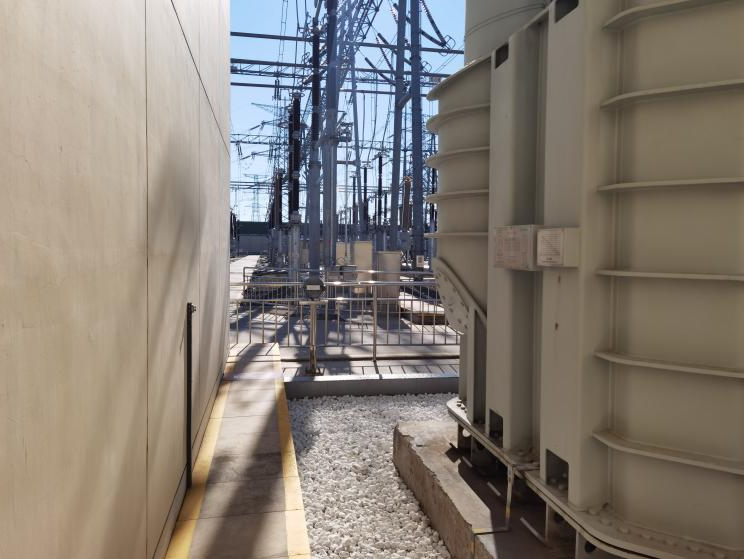

The practical deployment of FA‑110 at Horqin Substation proves that acoustic + AI can effectively penetrate the high‑noise environment of a substation, accurately identify more than ten types of early fault signatures, dramatically reduce false alarms, and issue warnings before the fault generates any thermal signal.
Hearing the first sound of a fault is the first step toward preventing an accident.


